Discovery Studio I
Transdisciplinary Fusion Studio I
Virginia Tech — Calhoun Discovery Program (CDP)
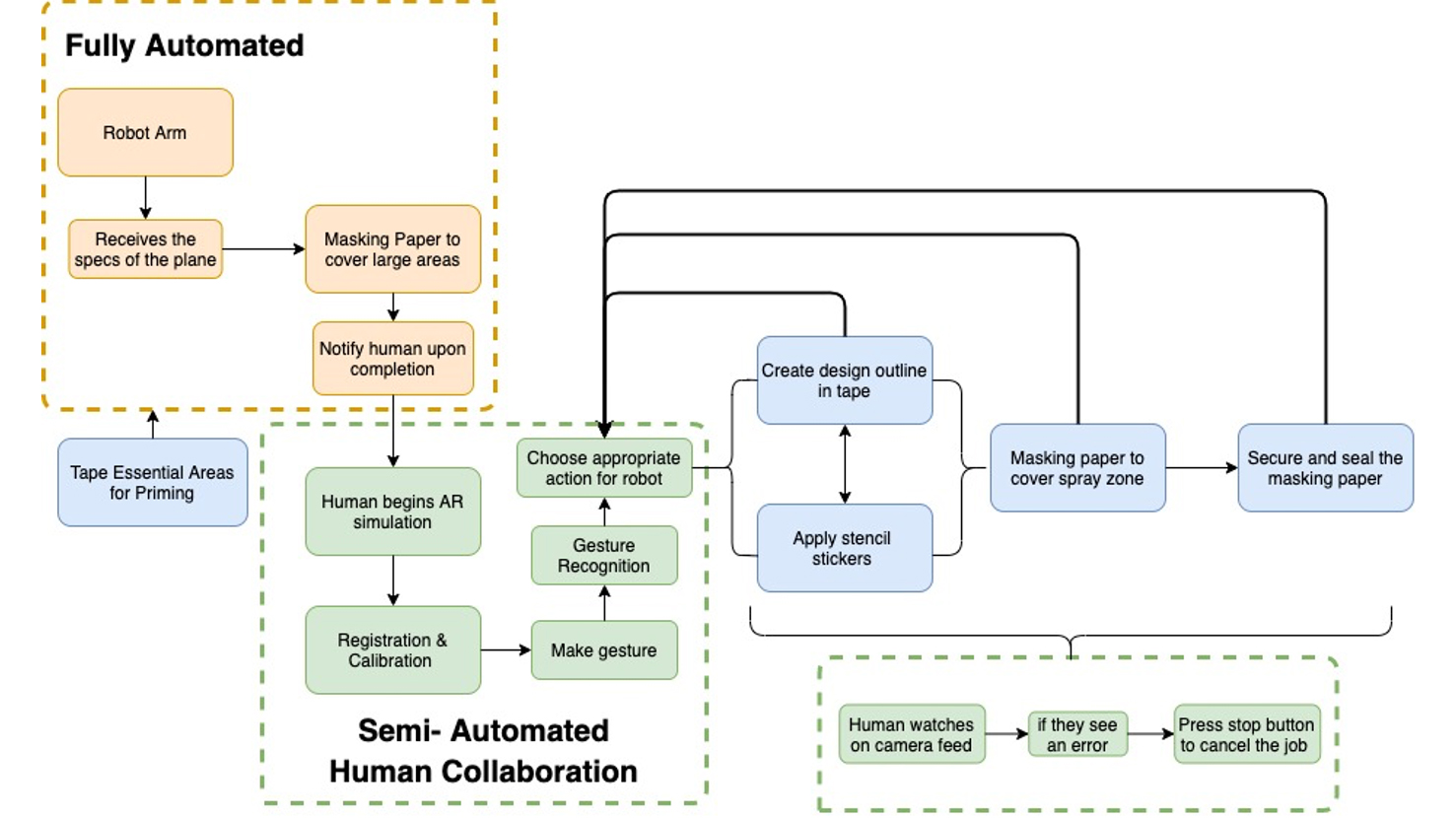
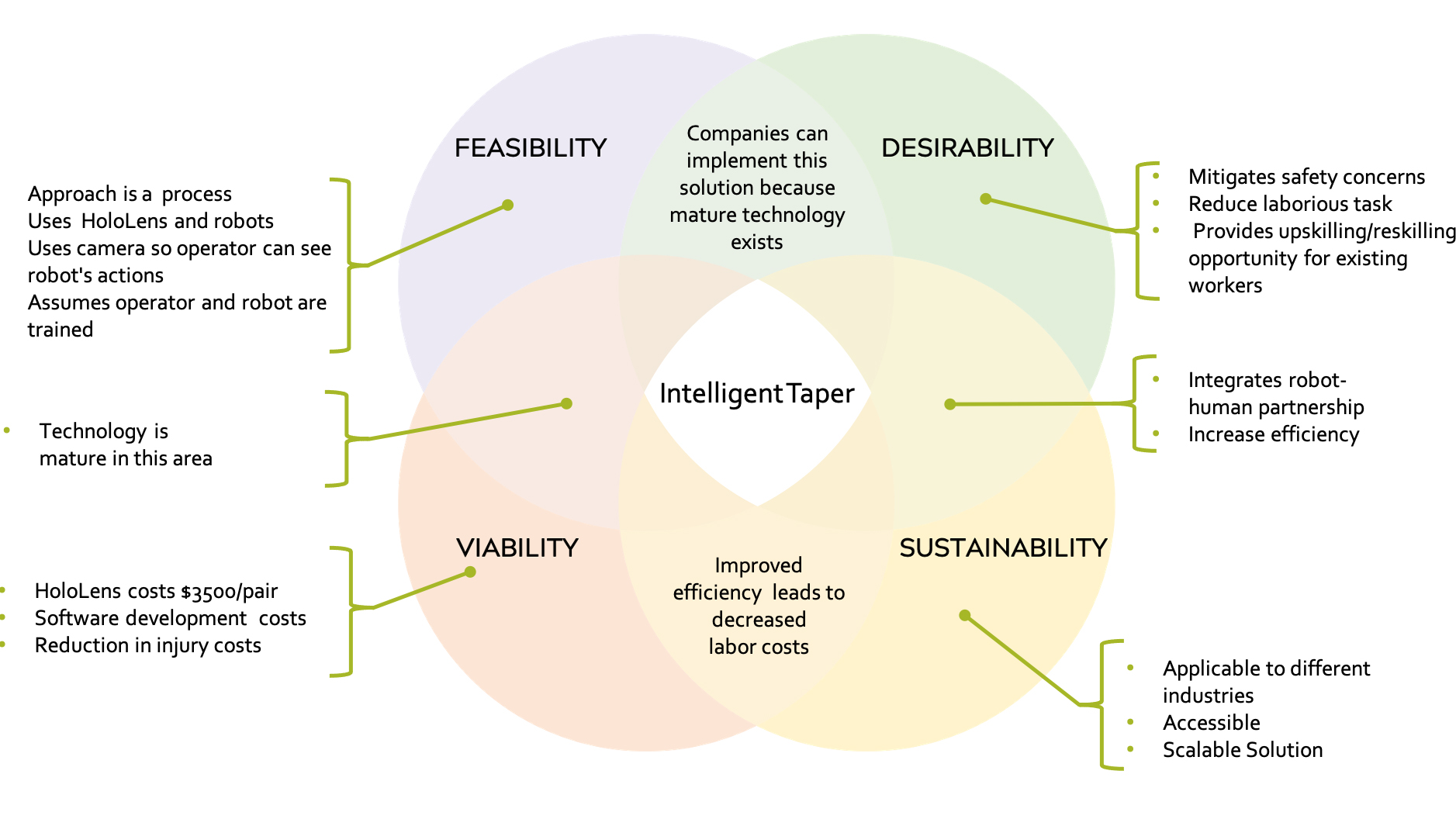
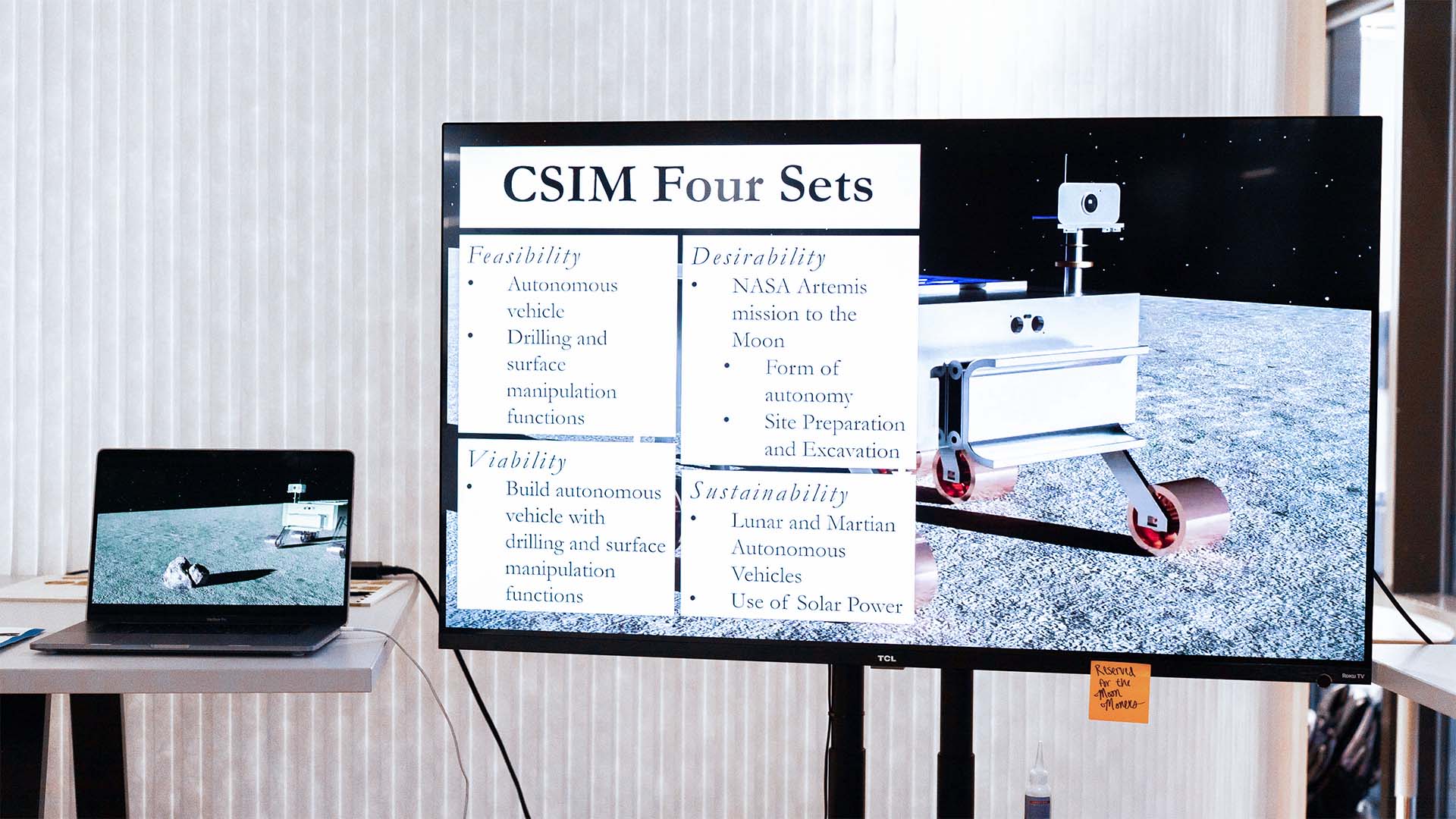
Transdisciplinary Studio I focuses on collaborative problem-setting. Students from 14 majors across various colleges and departments participating in the Calhoun Discovery Program (CDP) take this studio in their first semester of their first year. In collaboration with Boeing I designed the Collaborative Sociotechnical Innovation Model (CSIM) that is the basis of the instruction and mentorship in this studio. Students evaluate technology innovation based on four criteria: feasibility (can it be made?), viability (is it financially sensible?), desirability (do people want it?), and sustainability (can it work long-term?). This course is an introduction to design thinking and system thinking, and introduces ethical dimensions of collaborative technology innovation for societal impact.
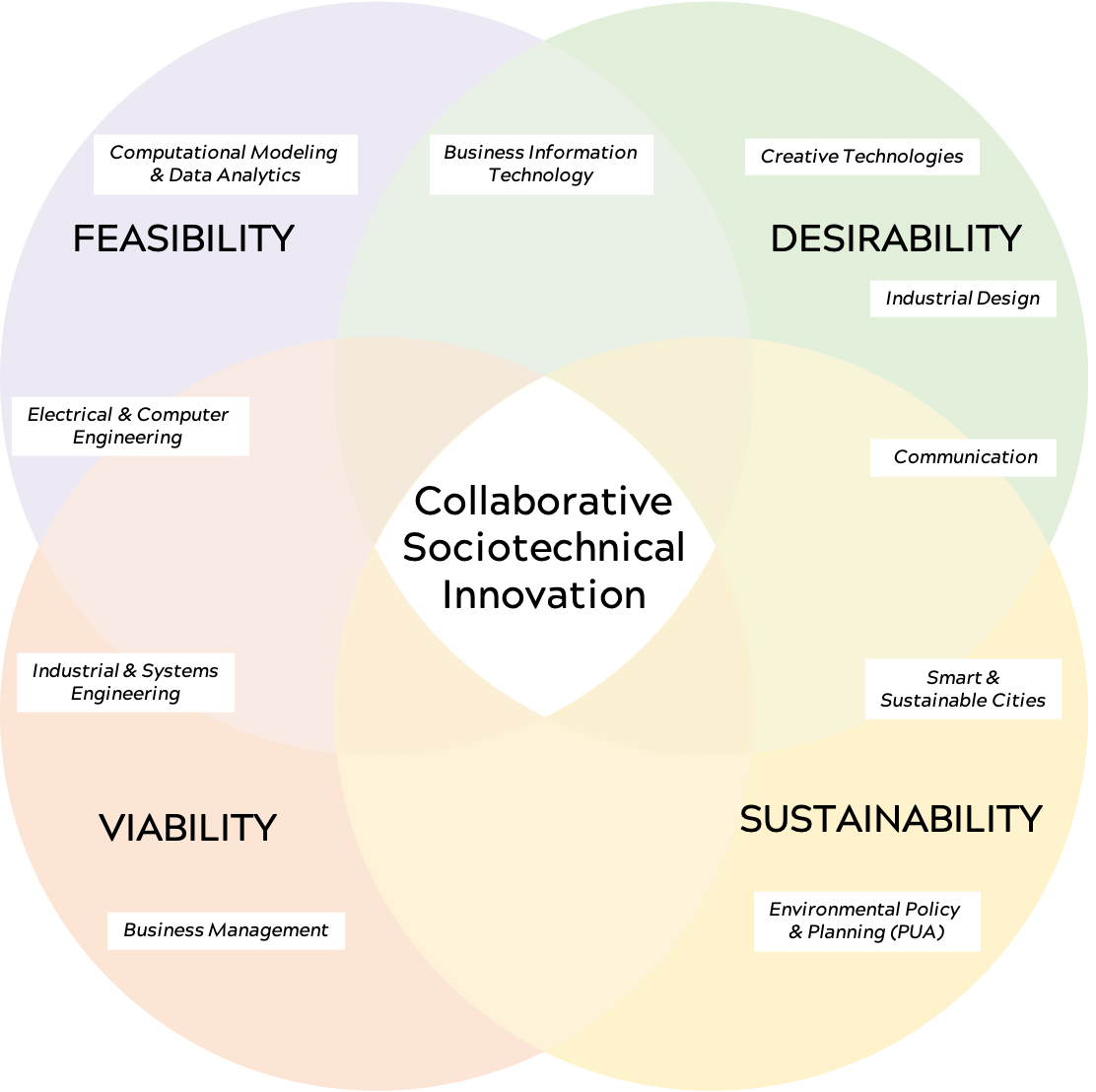
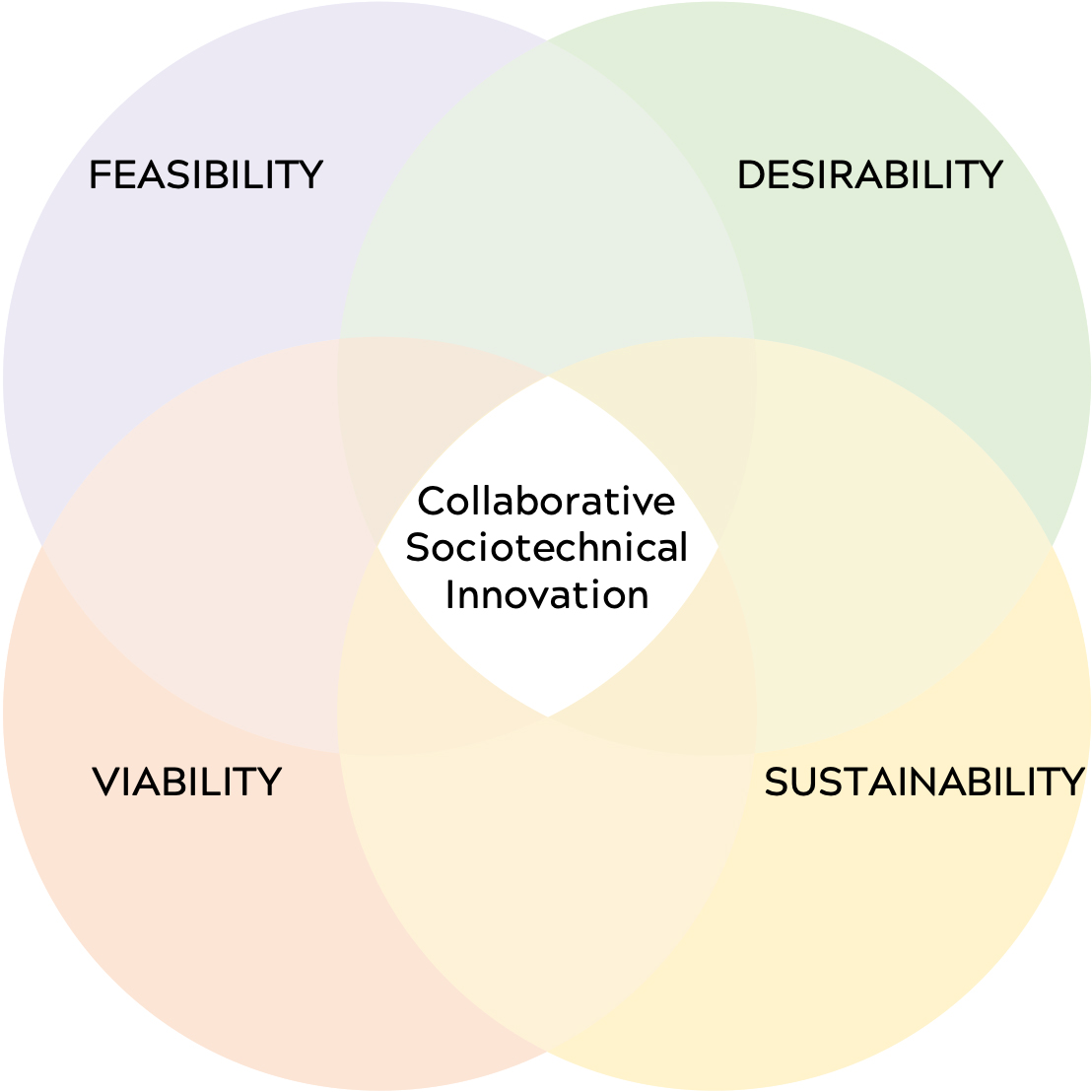
The Collaborative Sociotechnical Innovation Model
In a traditional multidisciplinary model students bring their expertise to the team. In our model, rooted in action research, we encourage students to be active participants in the domains that they are not familiar with. Students engage with a learning environment that allows them to act and do research concurrently across disciplines.
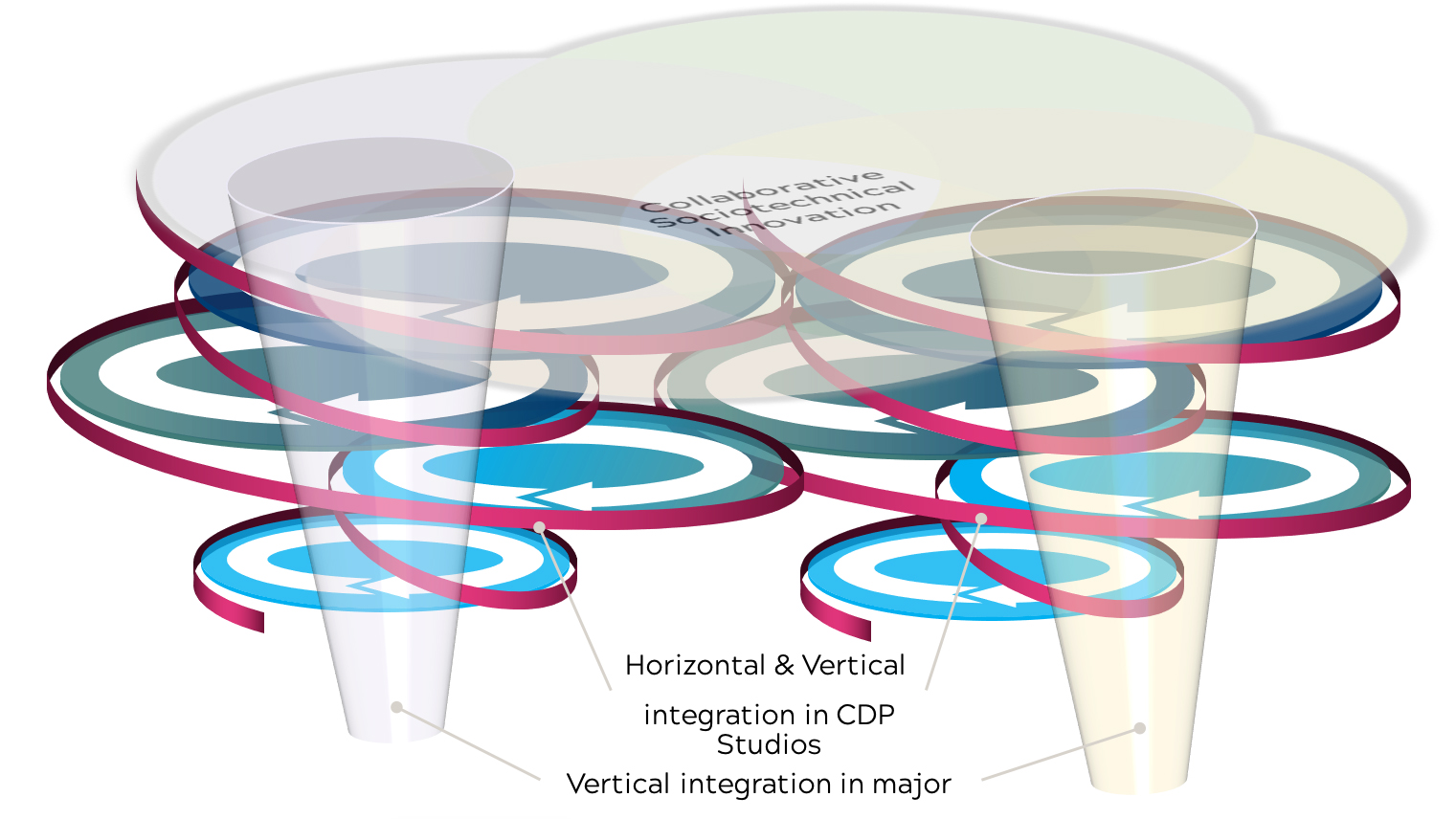
Real-World Complex Problems
Students in teams explore real-world complex problems with guidance from mentors from the CDP and industry and nonprofit partners. Current partners in the program include Boeing, Caterpillar, General Electric, The Association for Financial Professionals, Capital Youth Empowerment Program, Ithaka S+R, and United Way Southwest Virginia. As the lead instructor I collaborated with Robert Smith (Boeing) to develop a hybrid flipped classroom model.
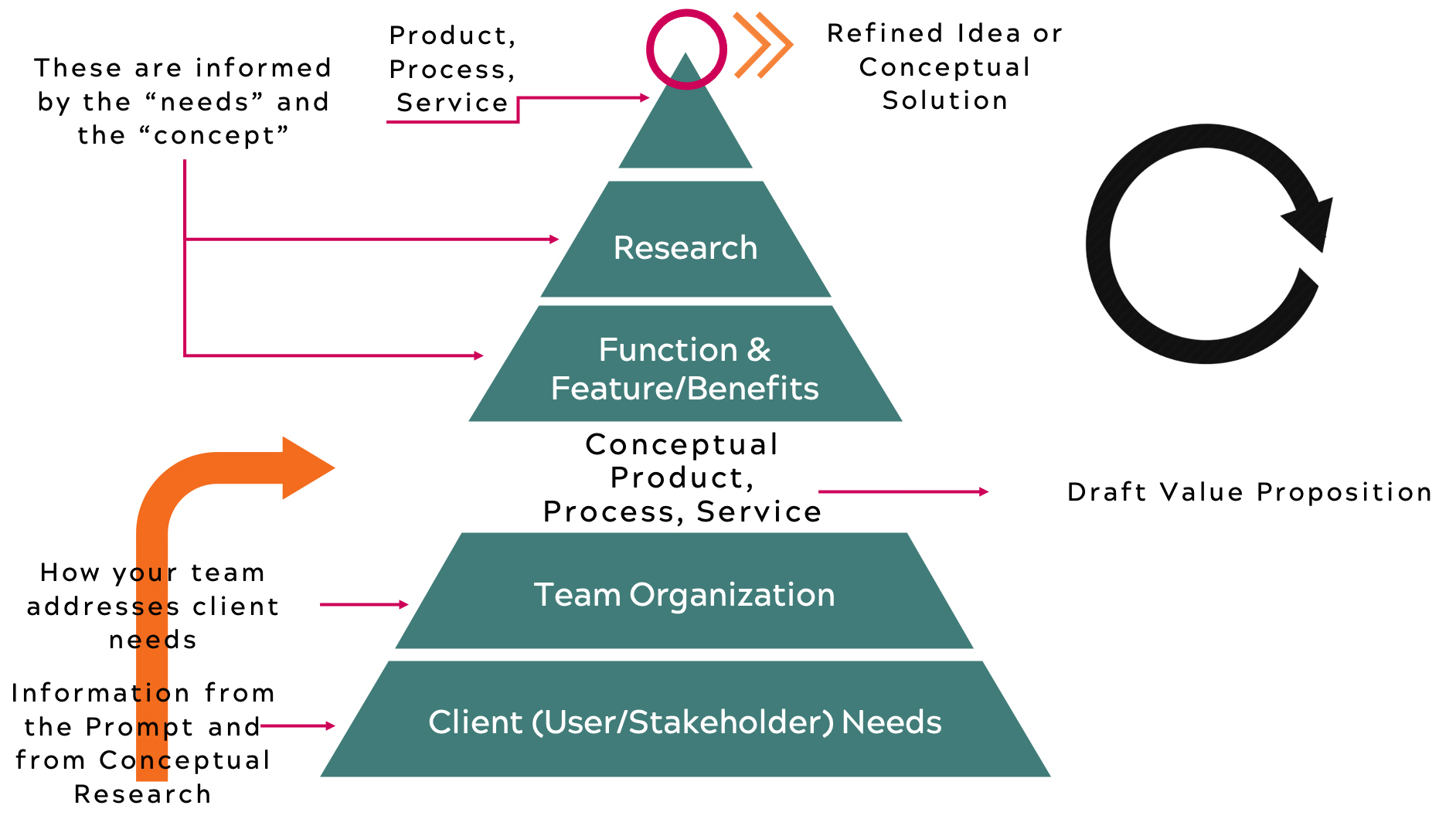
Studio Phases
This studio has 3 phases following a subset of NASA project life cycle milestones (MCR, PDR, CDR): Phase I — students choose from a set of defined complex problems; Phase II — industry and nonprofit partners provide problems; Phase III — students pitch their own problems.
Peer-Review and Critique
I collaborated with David Tinapple (ASU) to develop a peer-review and critique model suited for this studio. Students evaluate each other's work through structured critique forms, encouraging cross-disciplinary feedback and iterative improvement.
Presentations
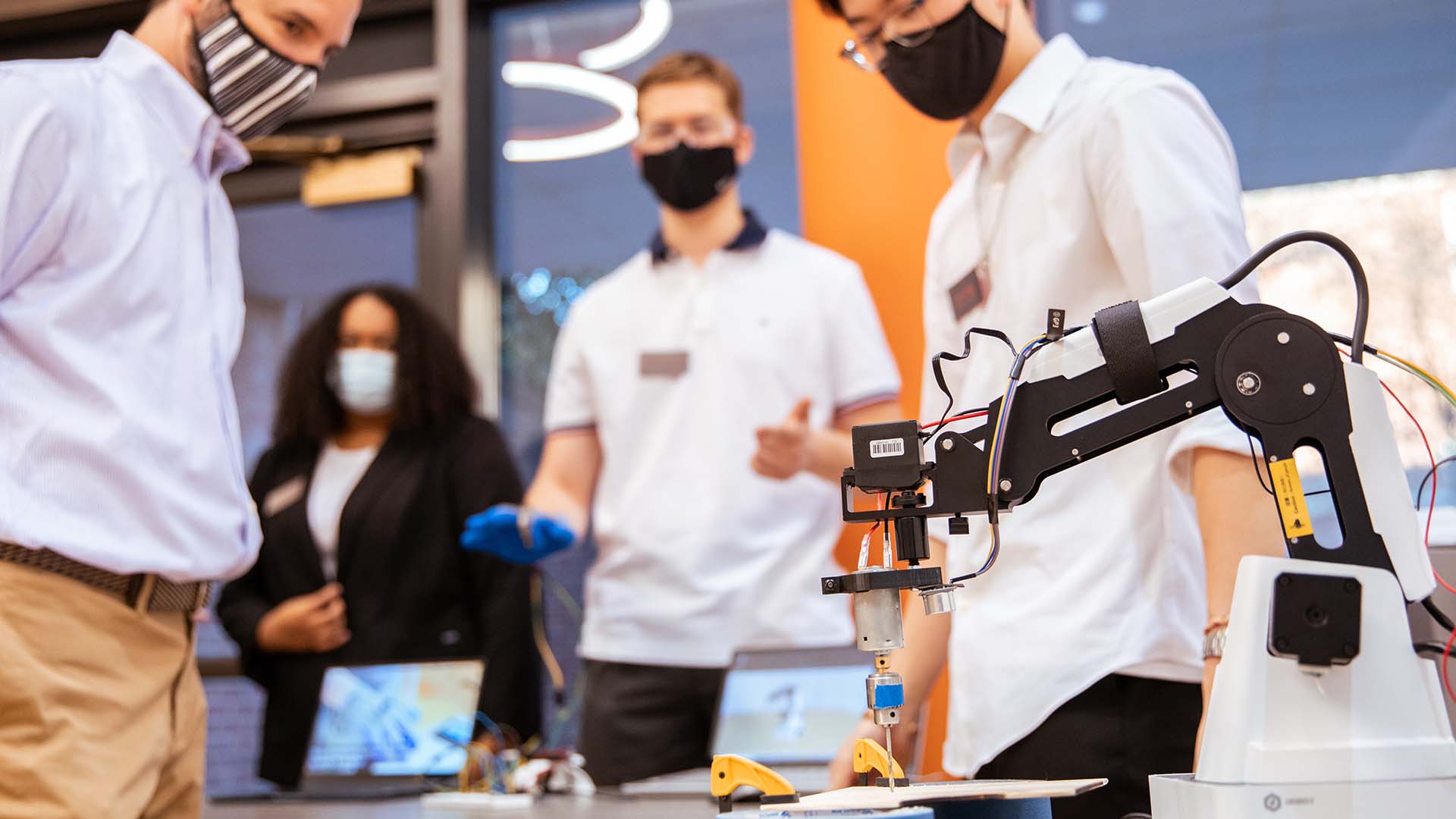
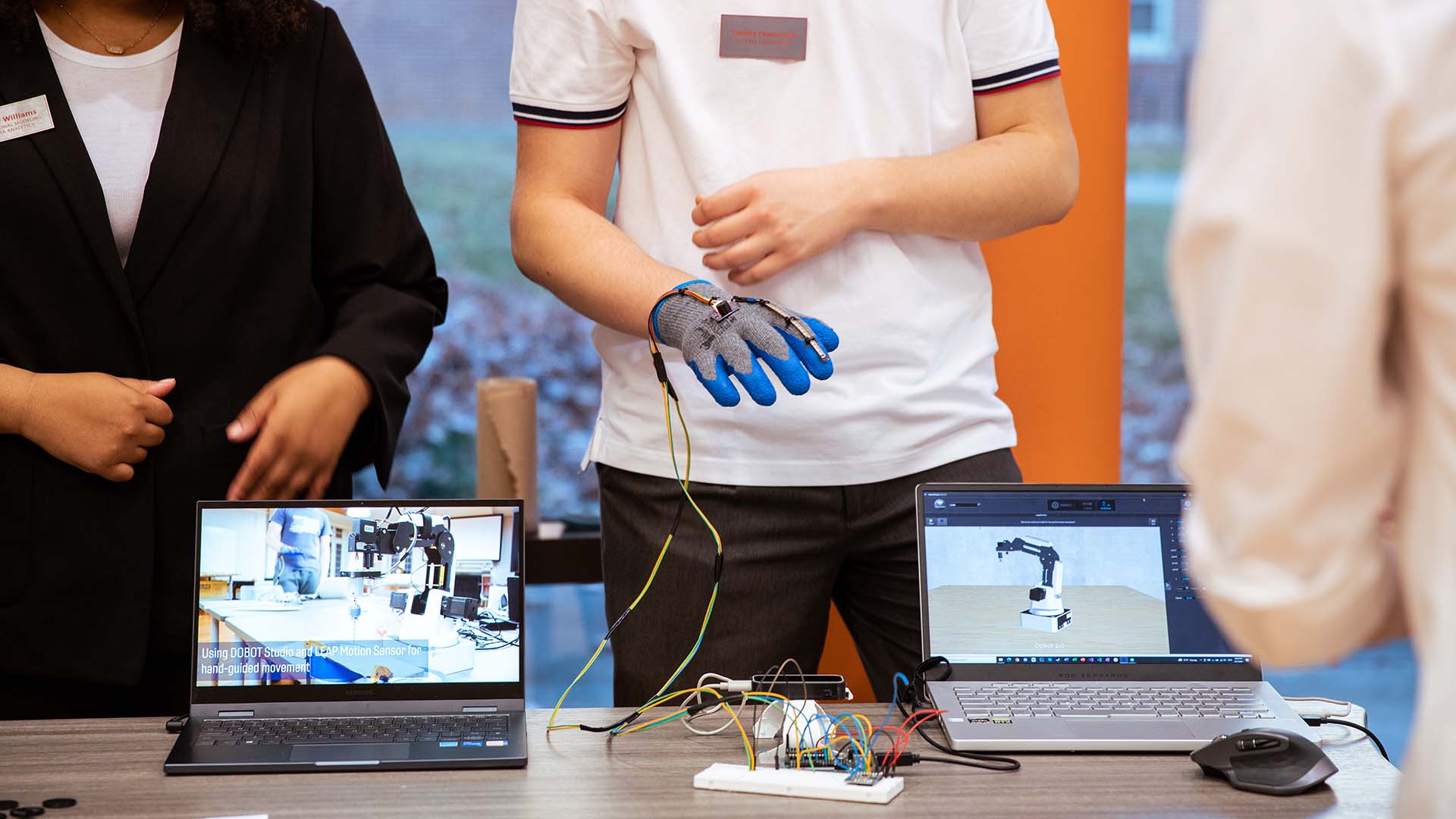
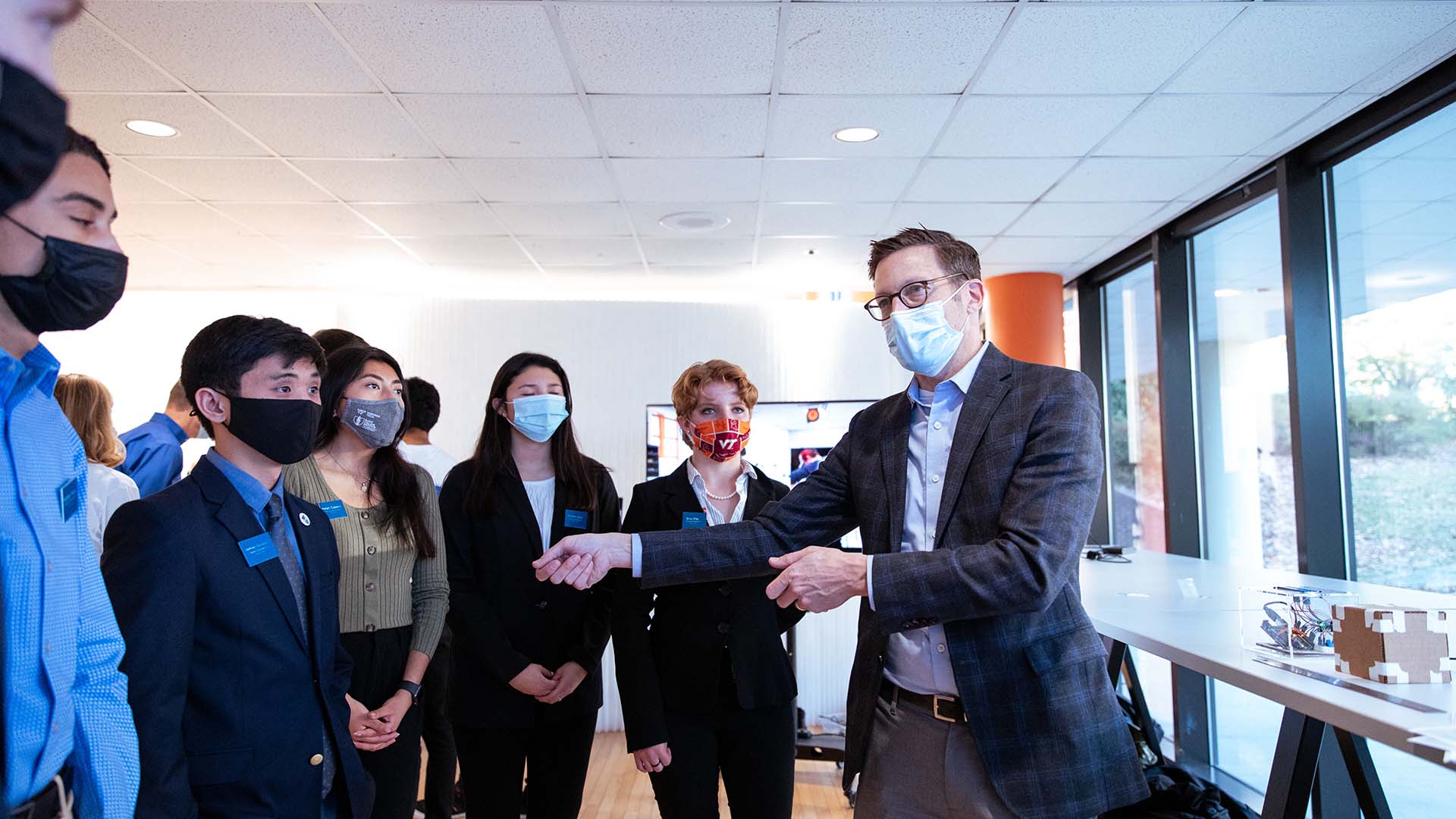
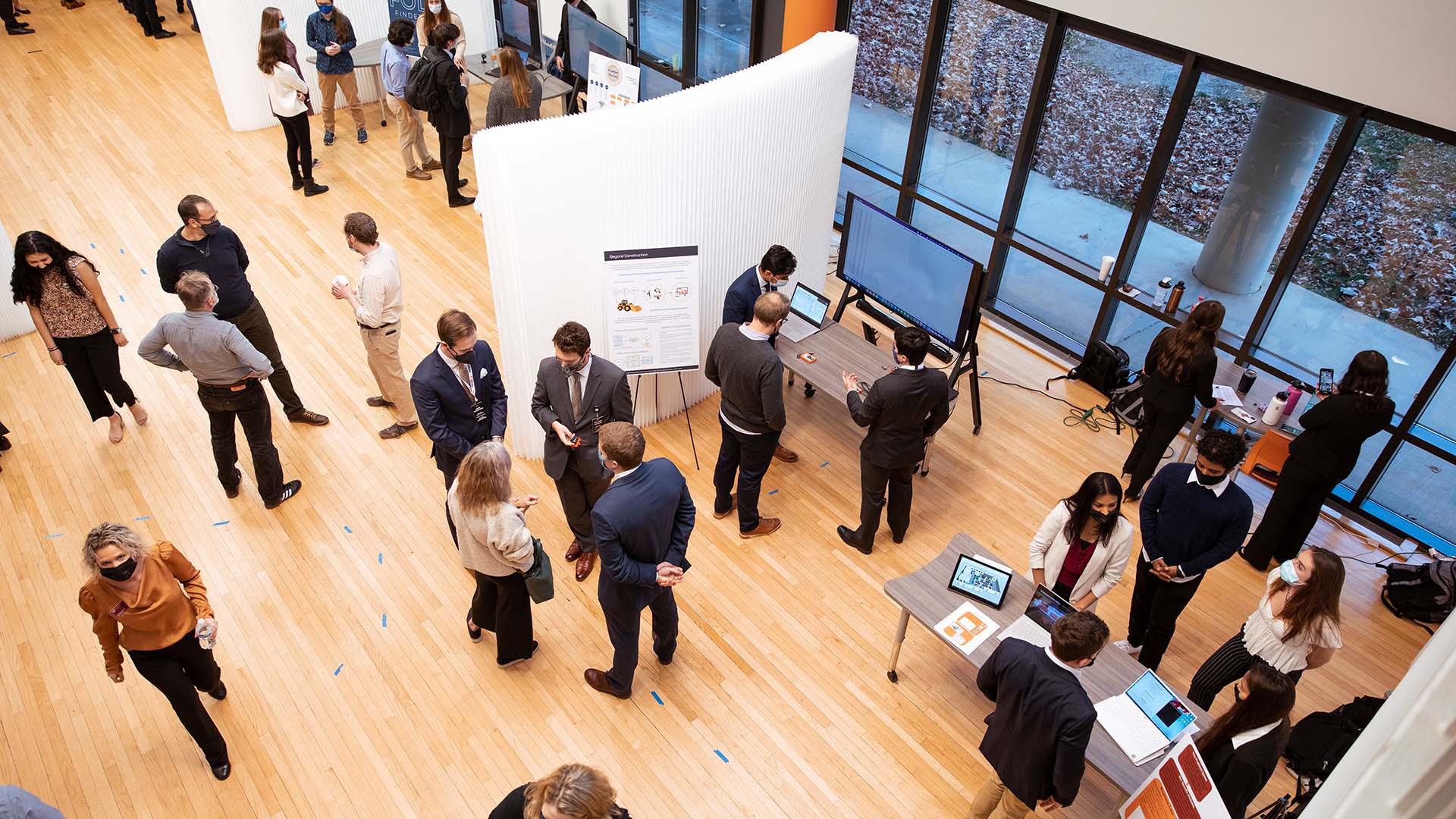
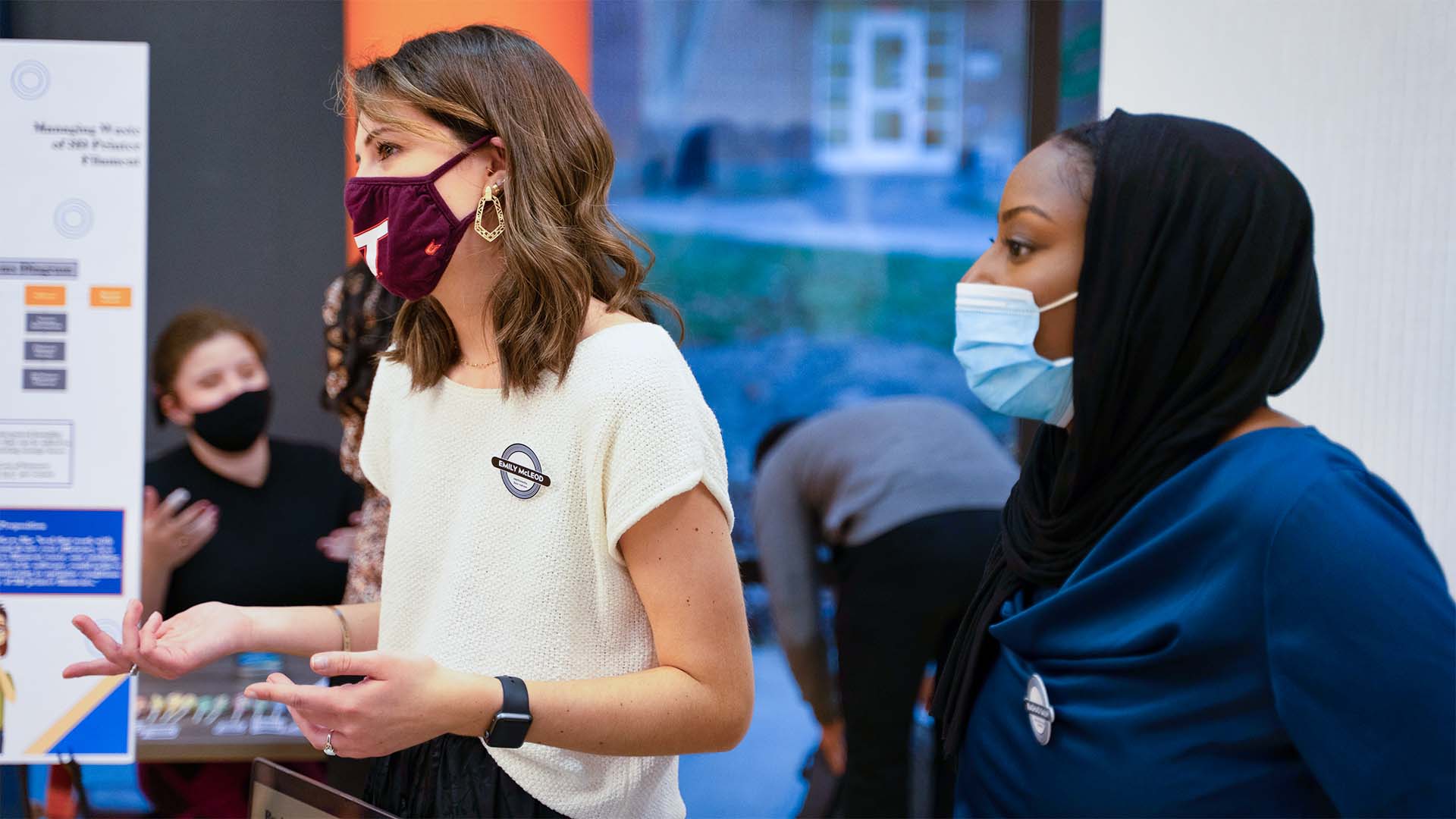
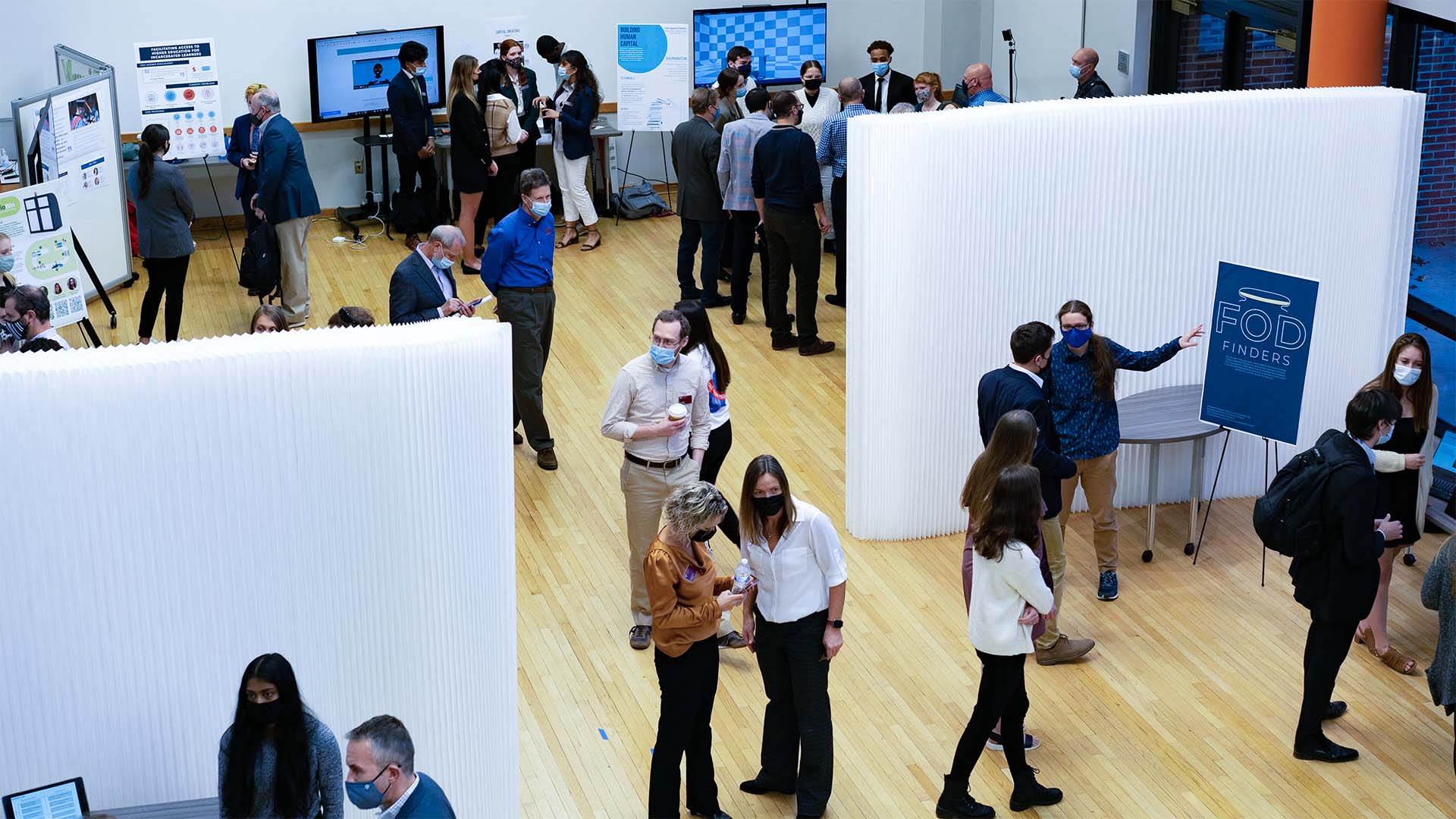
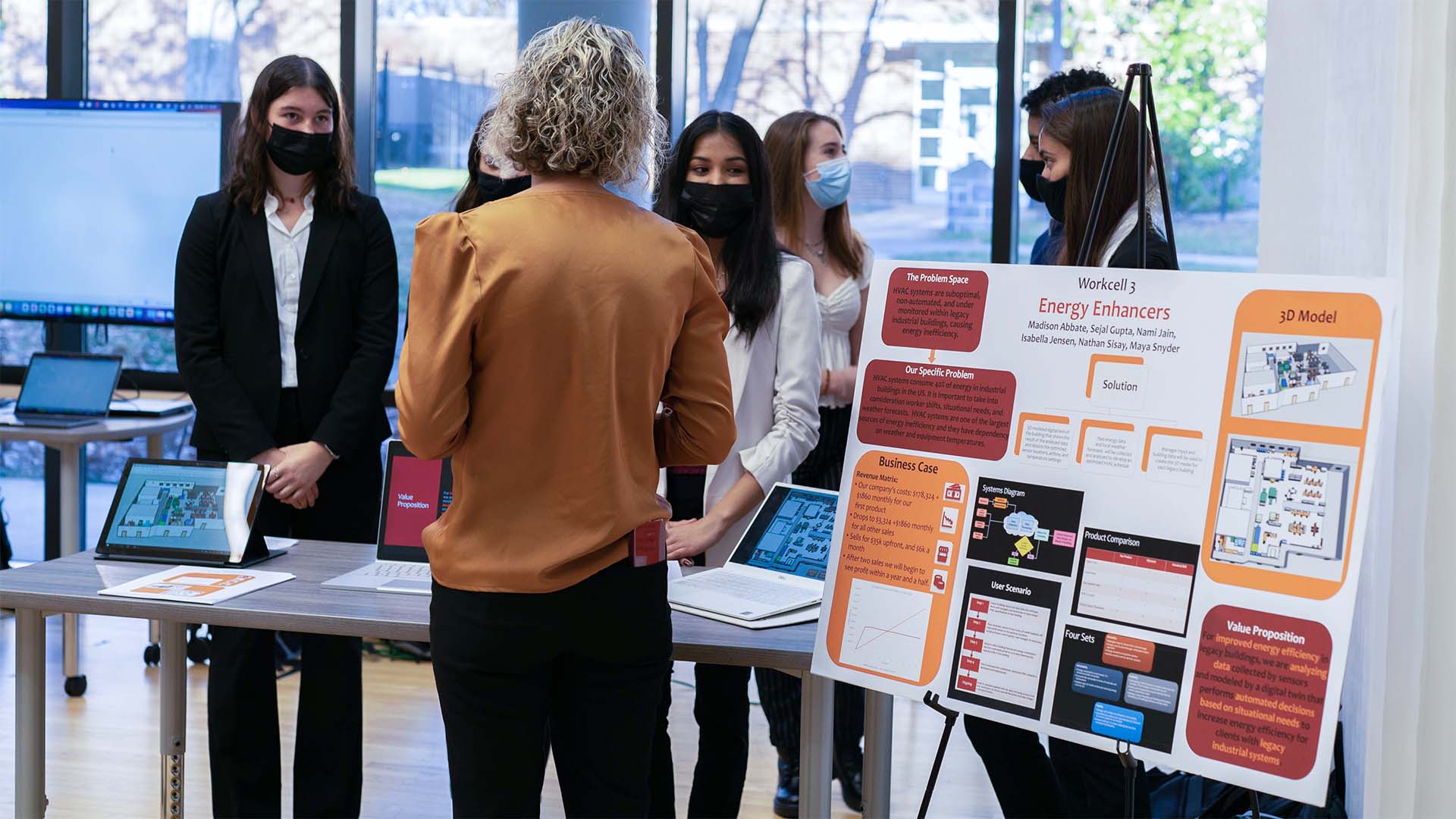
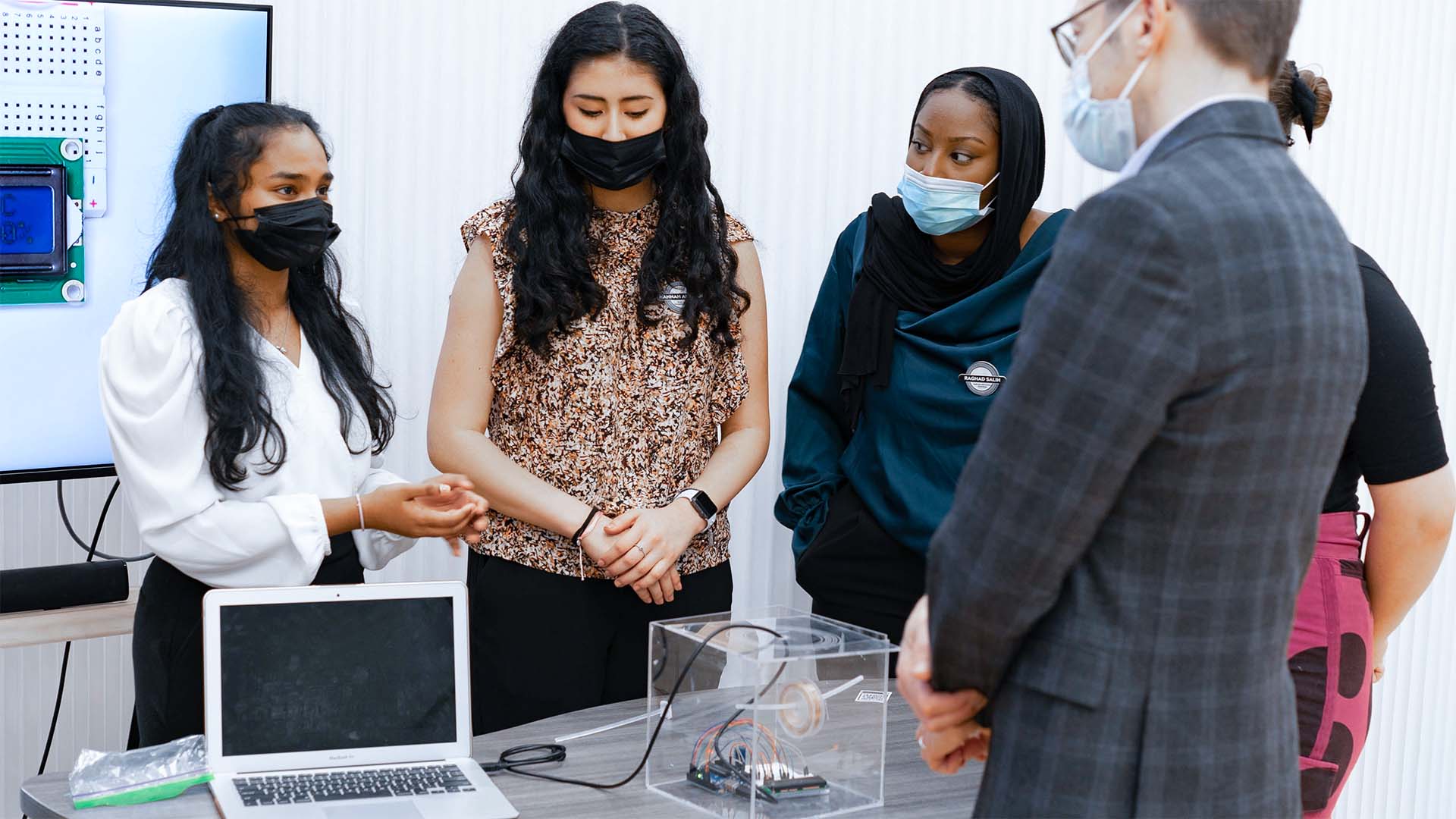
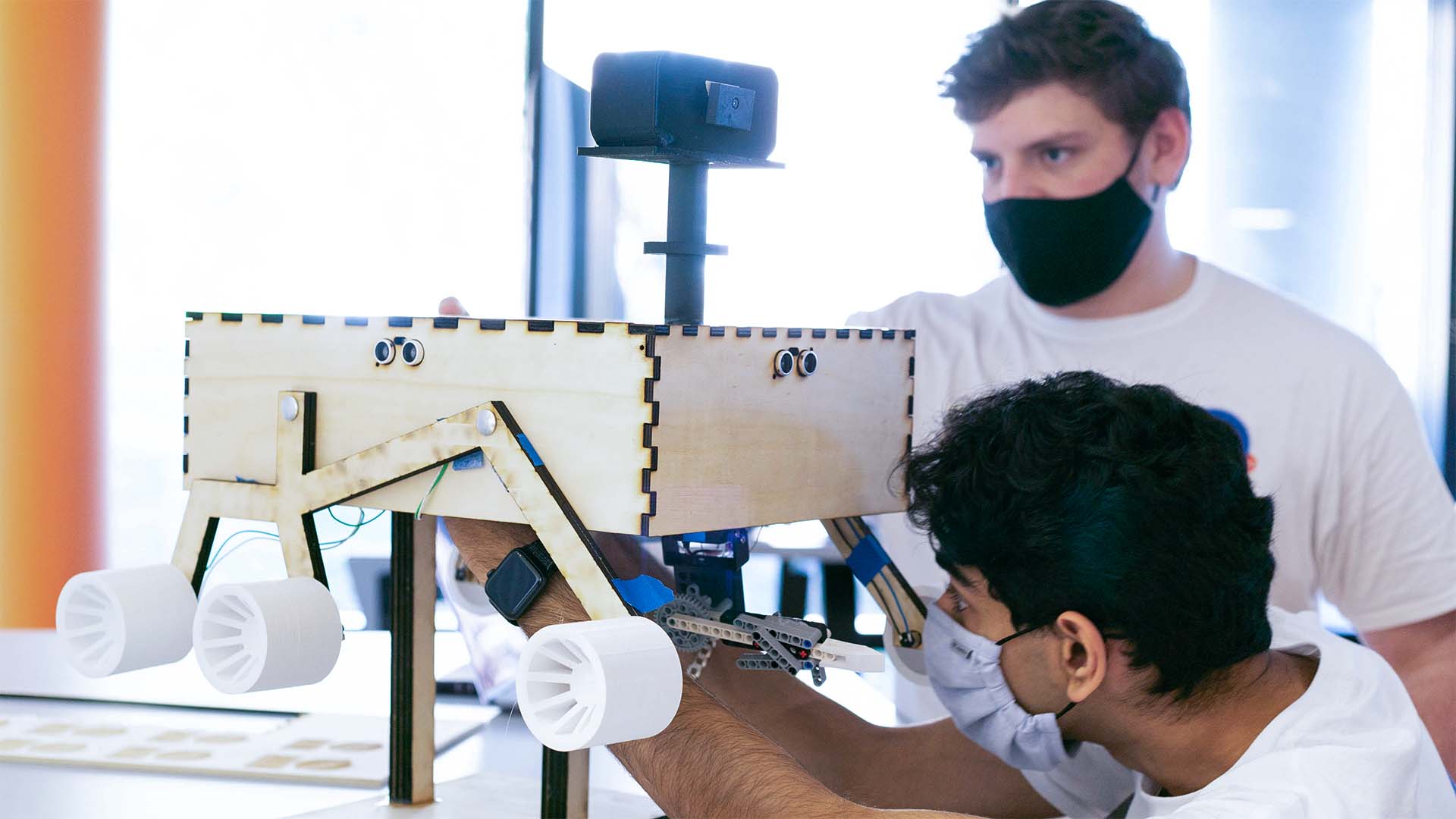
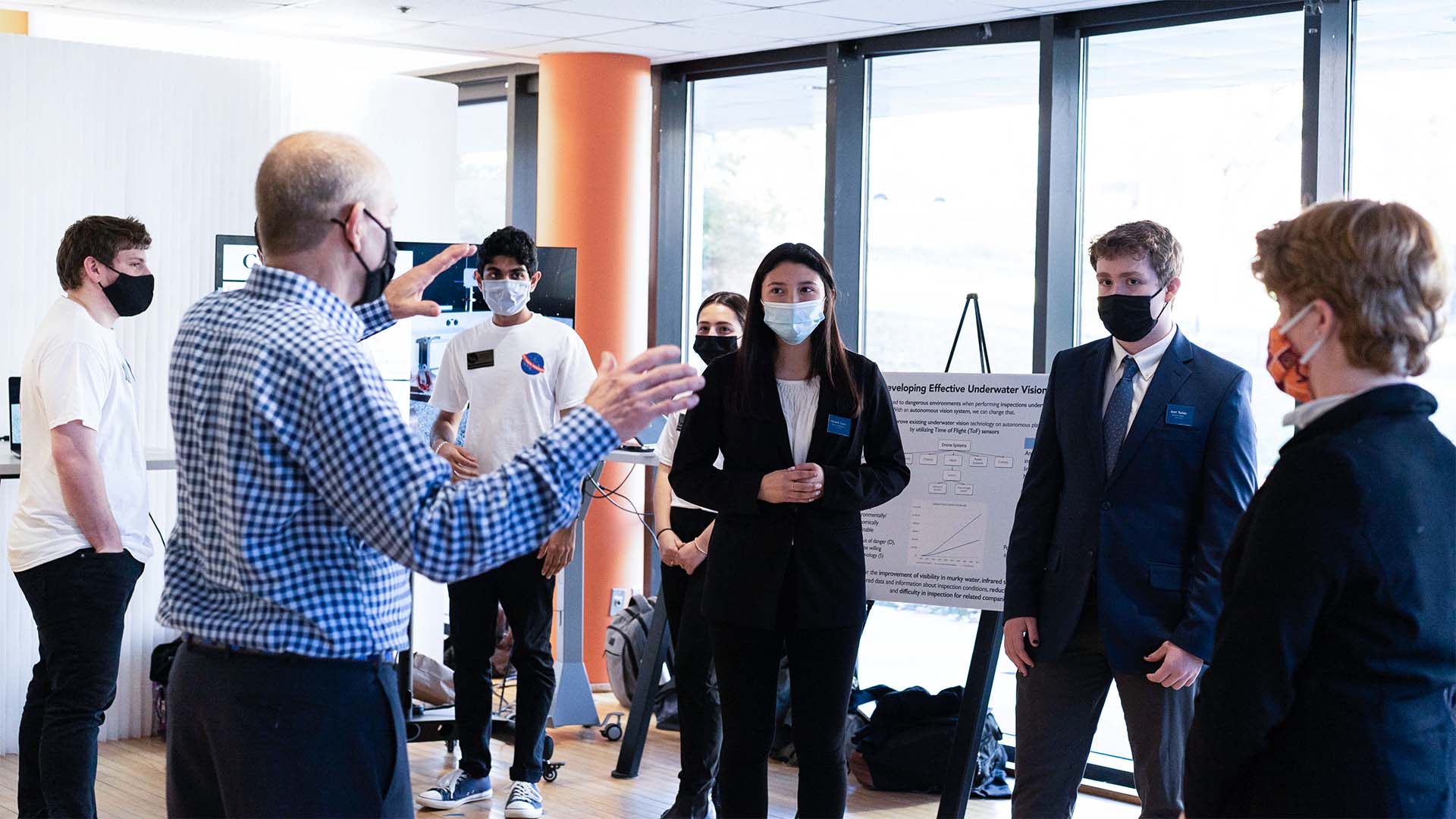
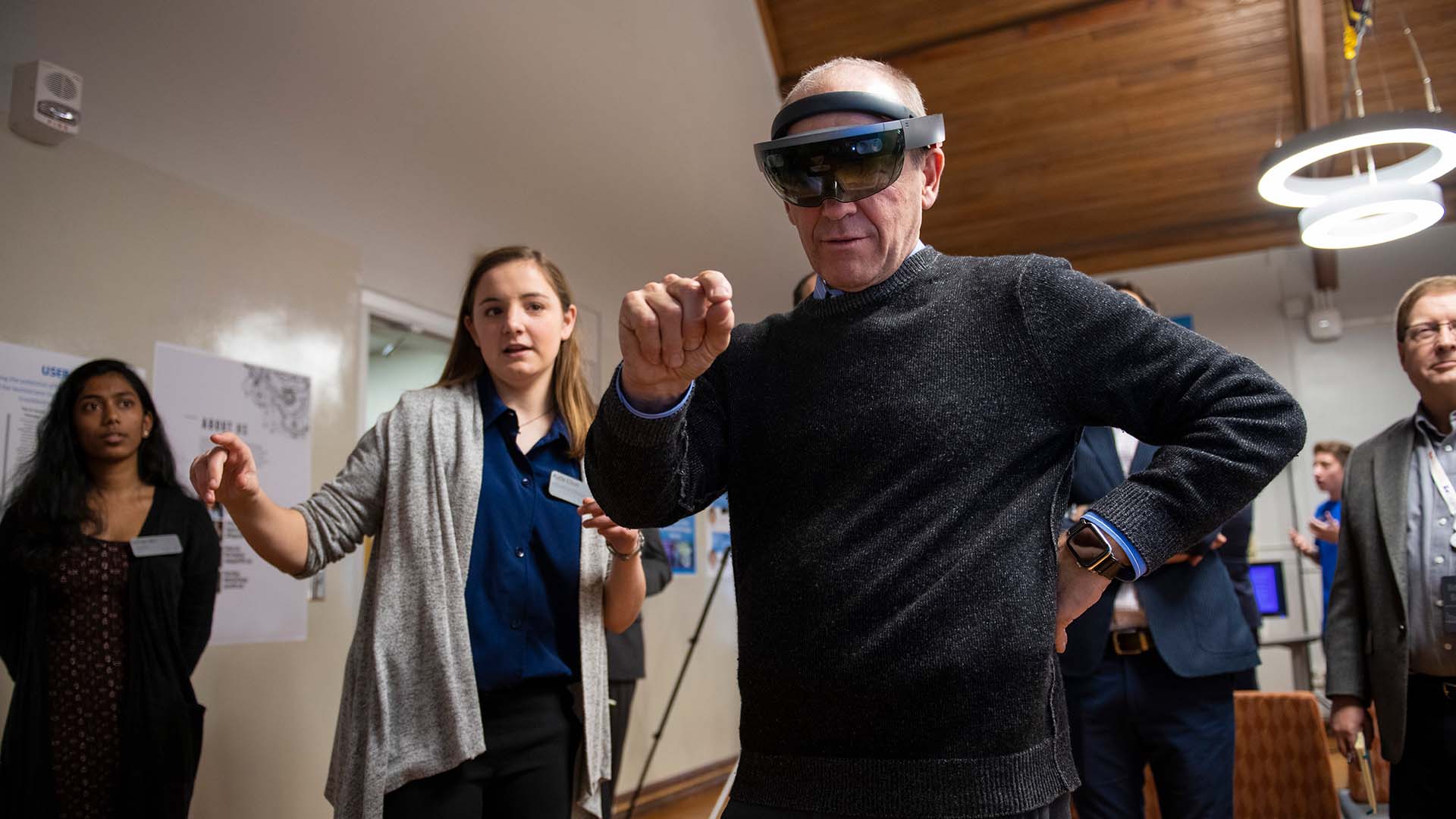
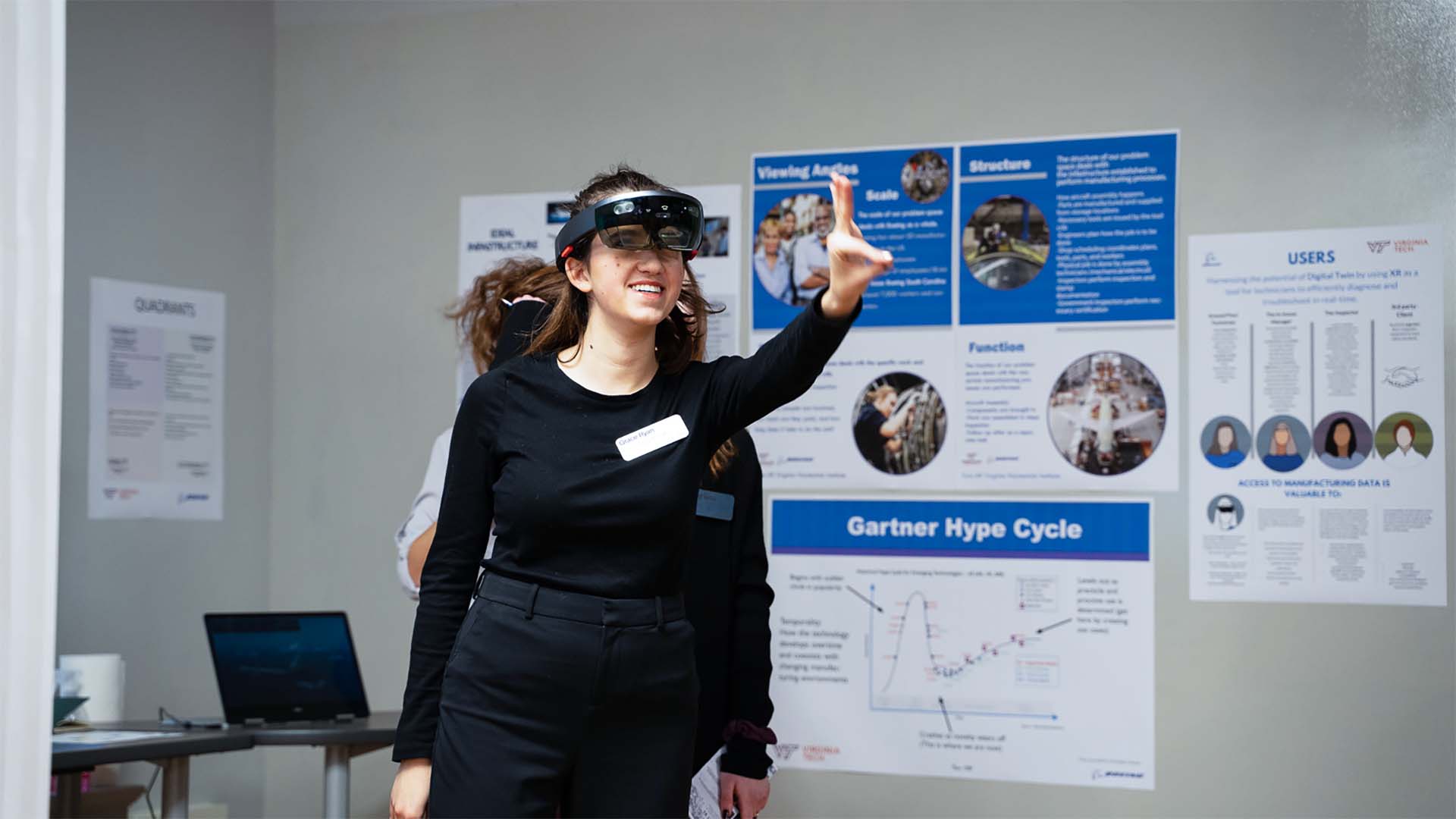
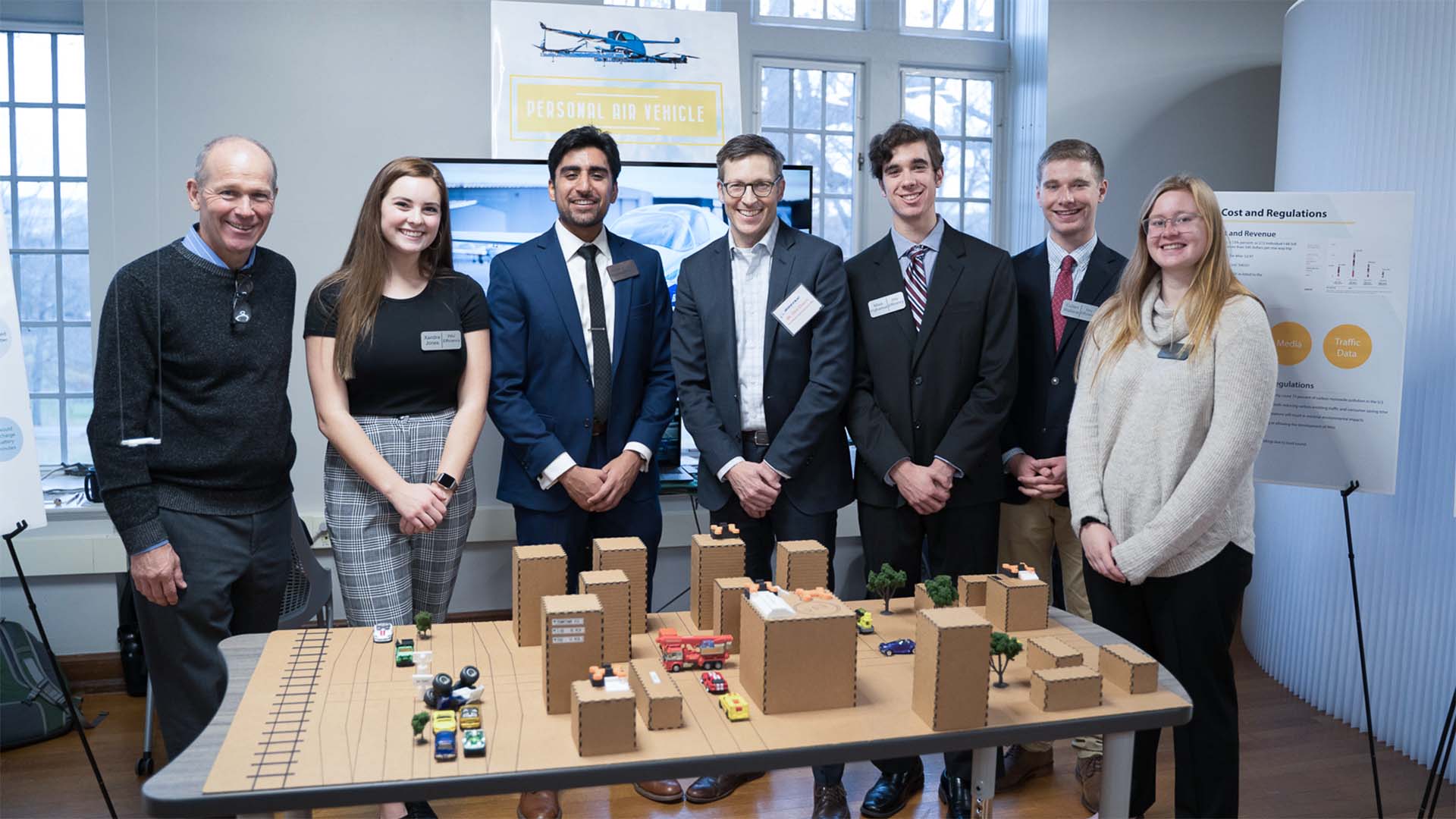
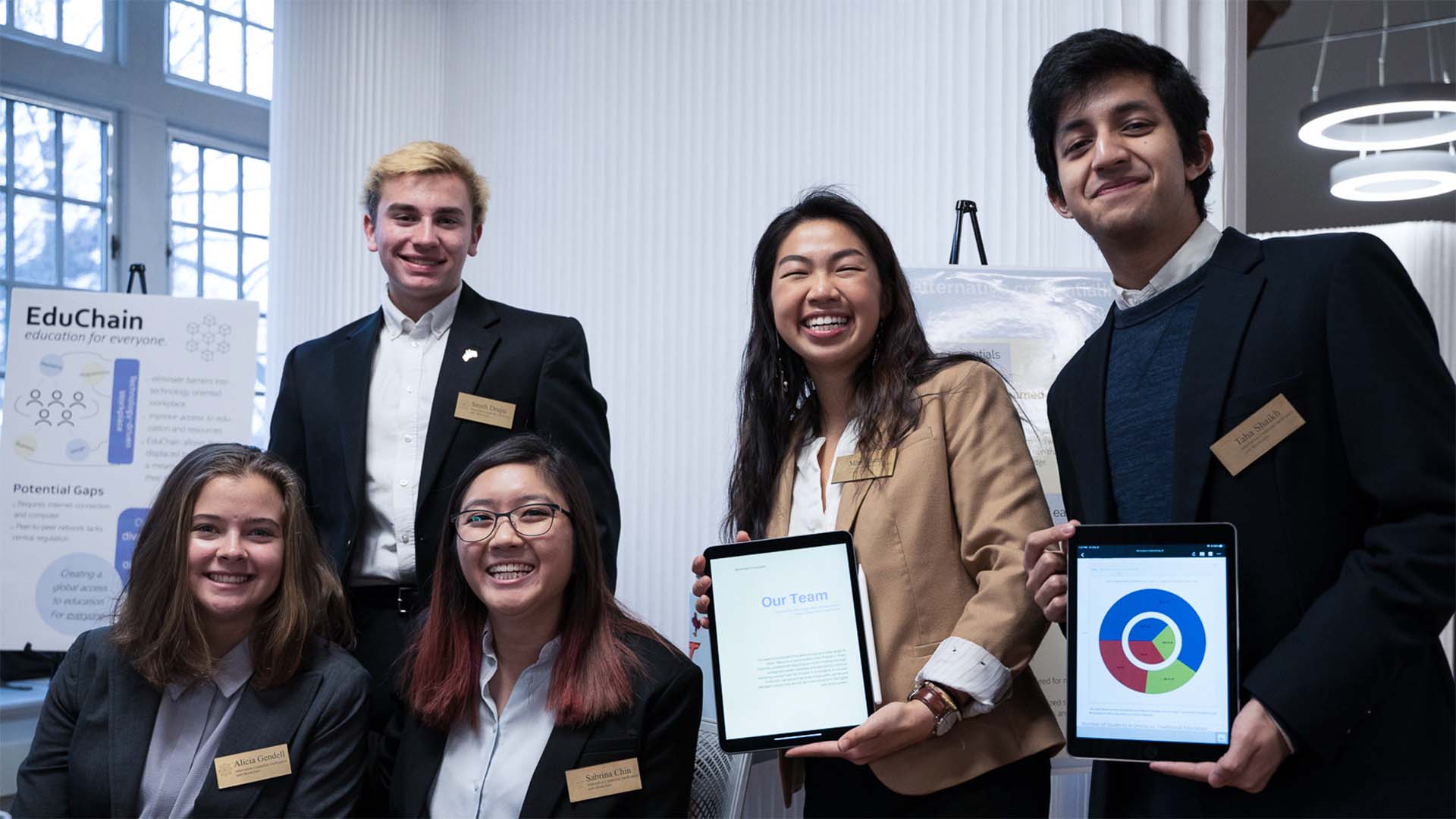
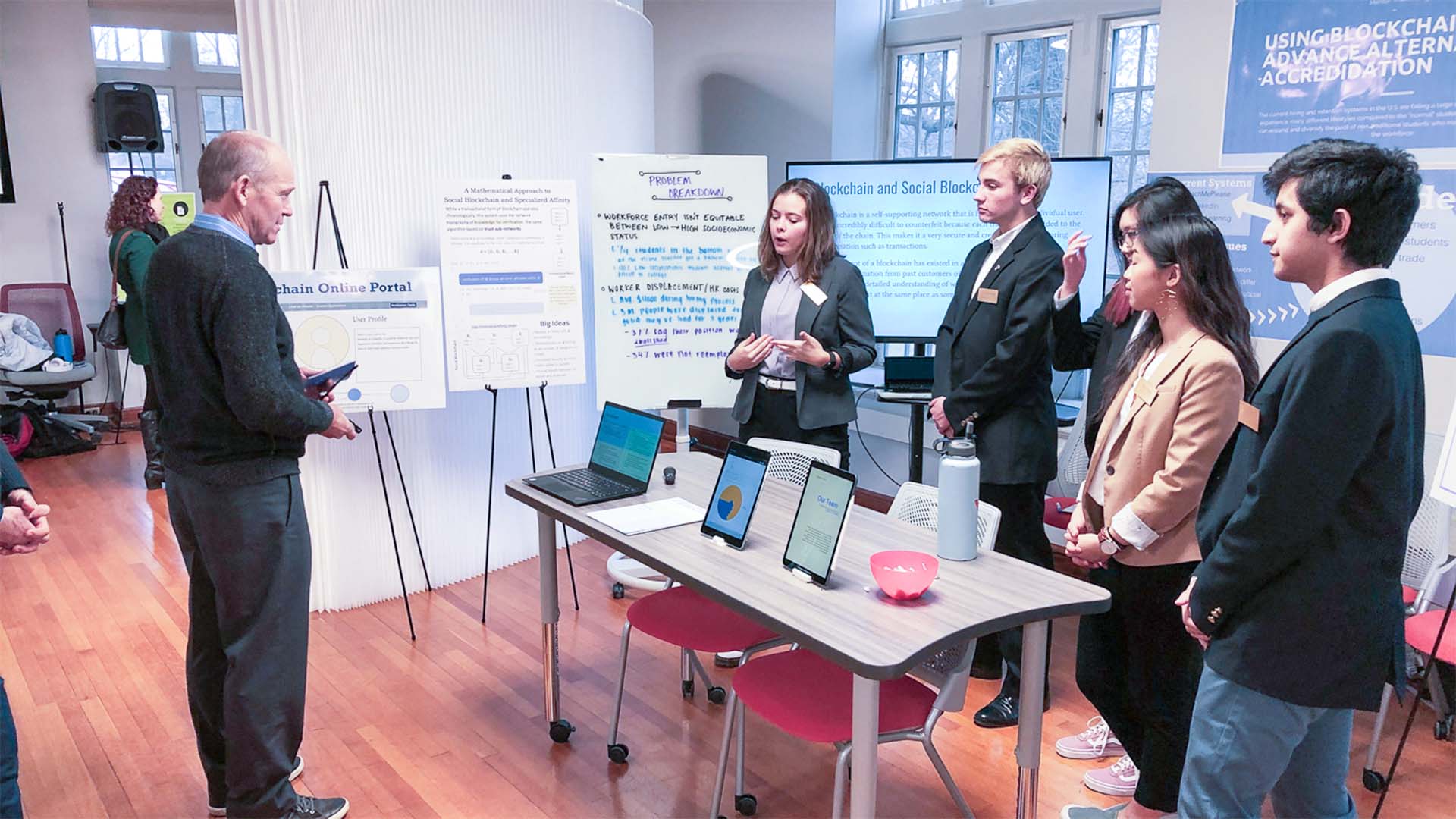
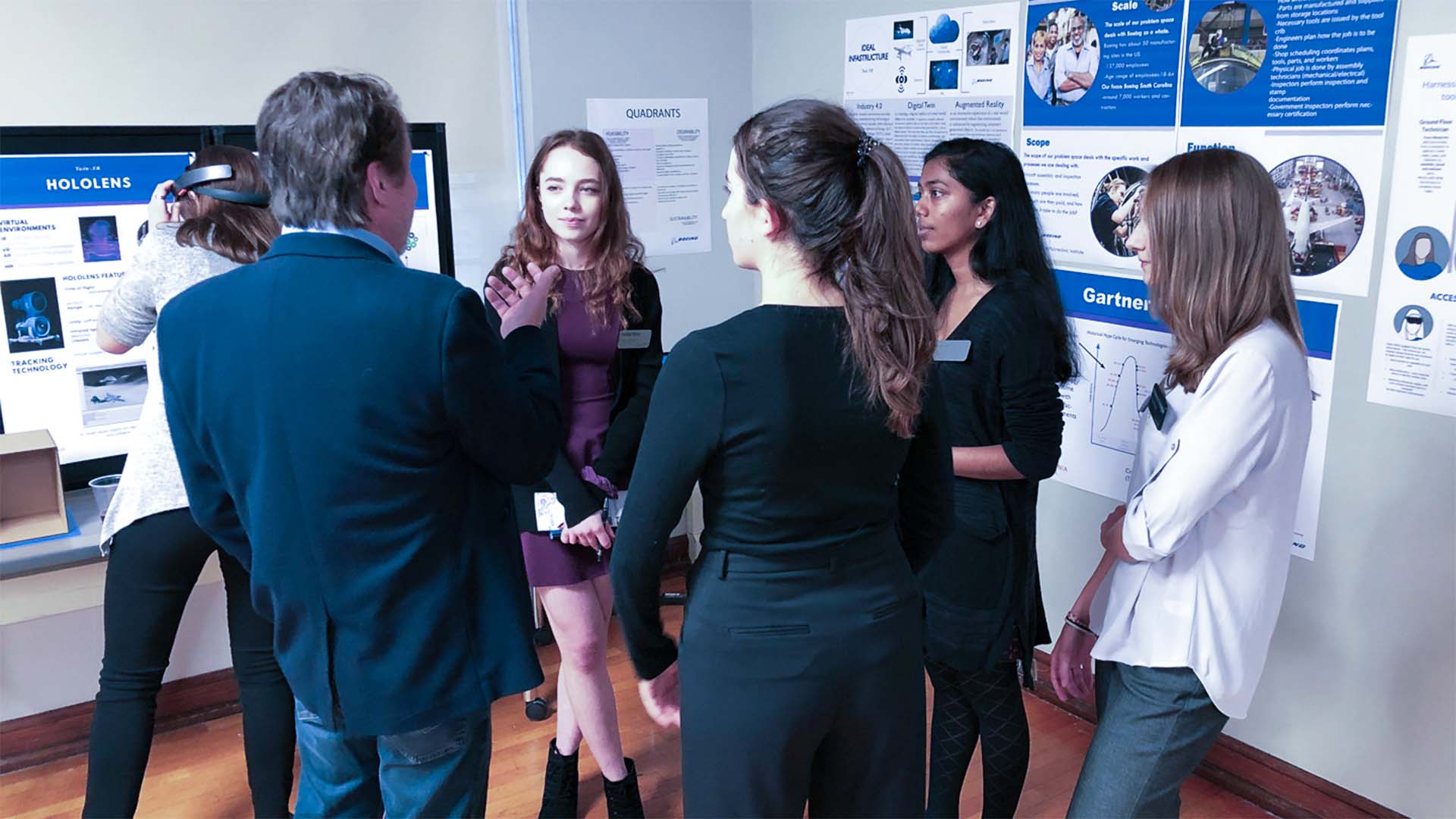
The gallery below shows presentations from Fall 2019 & Fall 2021.
Publications
"Toward an Integrative Professional and Personal Competency-Based Learning Model for Inclusive
Workforce Development" (IMSCI 2021). Amy J. Arnold, Jared Keyel, Alkan Soysal, Michael Kretser,
Shahabedin Sagheb, Thanassis Rikakis. JSCI'21: The Journal on Systemics, Cybernetics and
Informatics, pp. 22–29, ISSN: 1690-4524.
"Project-based Learning Using the Collaborative Sociotechnical Innovation Model." Shahabedin
Sagheb, Amy Arnold, Robert Smith. 14th Annual Conference on Higher Education Pedagogy.
In The News
A Boeing Exec's $20 Million Bet on Teaching College Students to Think — The Wall Street Journal